


Orange
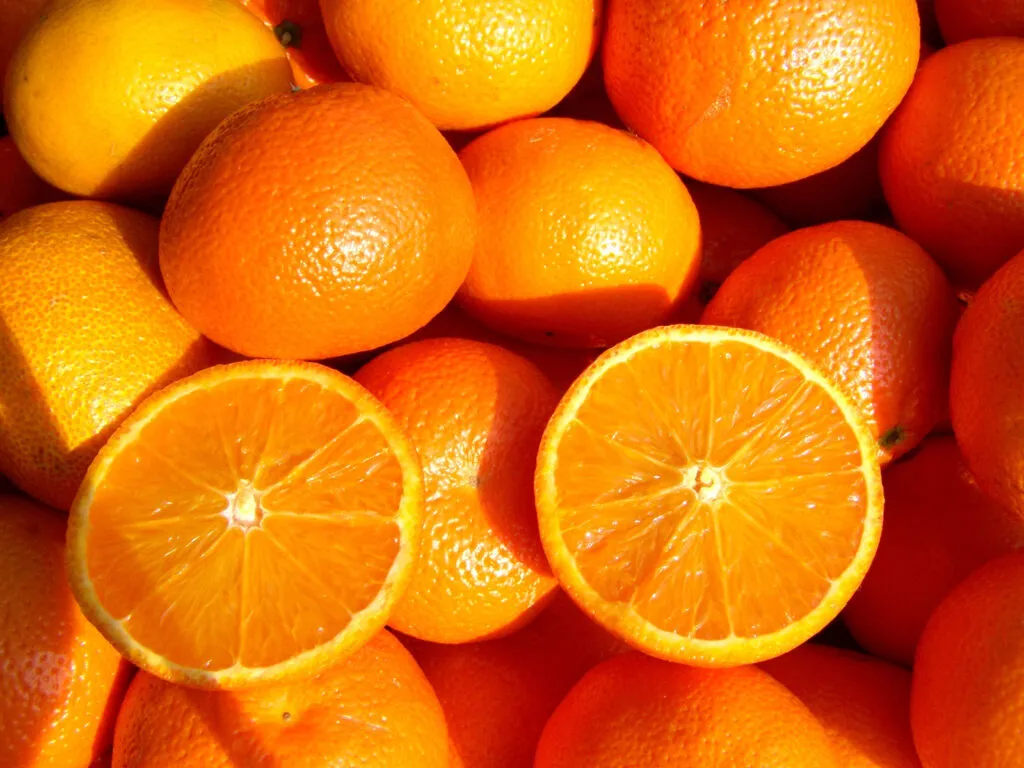
Iberica Fruit, based in Valencia – a region famous for its great citrus and the largest producer of oranges in Spain – offers the finest varieties of oranges. The season begins in autumn as temperatures fall, starting with the Navel varieties – Spain’s core winter oranges. The sweet Navelina is usually the first Spanish orange out on the market, followed by Navel and Salustiana. In the orange mid-season we see varieties like Lane Late and Navelate, followed by late-season varieties like Powell, Valencia Late and blood orange Sanguinelli.

Varieties

Navel Group ( Oct — May)
Navelina (Oct — Jan)
Early variety, medium size. Easy to peel, seedless, sweet and juicy, with balanced acidity.
Navel (Nov — Feb)
Larger fruit, seedless, good flavour intensity and sweet taste.
Lane Late (Jan — Apr)
Later-ripening navel, good shelf life, smooth peel. High juice content, sweet, slightly more acidic than navel.
Navelate (Feb — Apr)
Premium late Navel. Excellent and very sweet flavour, thin skin.
Powell (Mar — May)
Late navel that extends the navel orange season into spring.

Valencia Late ( Mar — Aug)

Blood Orange Sanguina ( Jan — Mar)
Sanguinelli (Feb — Apr)
The most important blood orange variety in Spain, with attractive skin blush, deep red flesh, and a strong balance of sweetness and acidity. Seeded or semi-seeded.
Tarocco (Jan — Mar)
Lighter red pigmentation compared to Sanguinelli. Very sweet, aromatic and almost seedless.
Moro (Jan — Feb)
Very deep red flesh, often the darkest pigmentation. Strong, slightly more bitter flavour. Less commercially important in Spain compared to Sanguinelli.

Salustiana ( Dec — Mar)

Harvest season by Variety

Sizes and packaging